The most overlooked risk in investing isn’t valuation. It’s leadership continuity
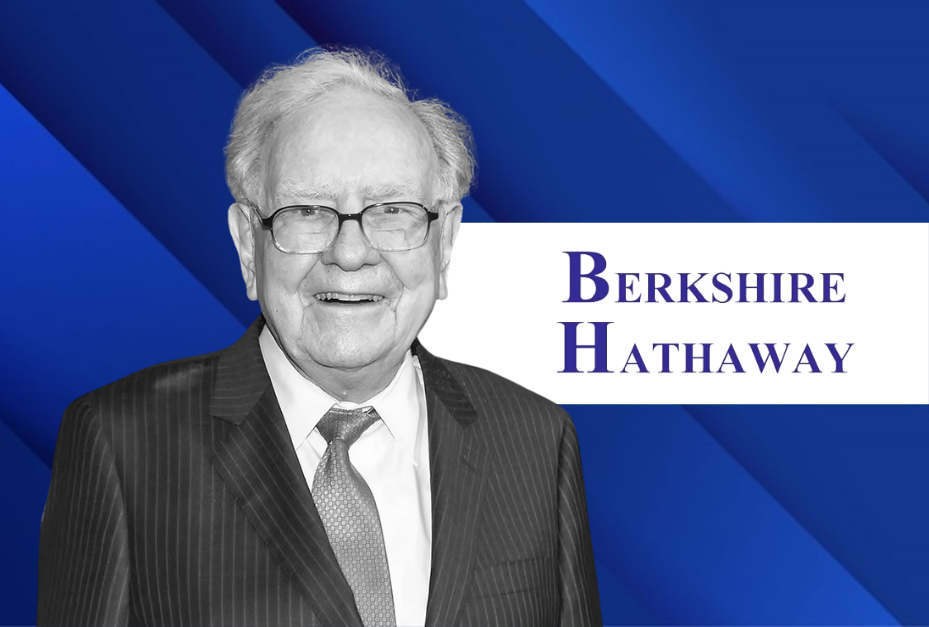
The most overlooked risk in investing isn’t valuation.
It’s leadership continuity.
Berkshire Hathaway just entered the most consequential transition in its modern history.
With Warren Buffett preparing to step aside, Greg Abel is reshaping the senior team — a quiet but fundamental shift in how the next decade of Berkshire will be run.
Todd Combs is leaving for JPMorgan.
Long-time lieutenants are retiring.
A new general counsel role is being created.
And the CFO succession is underway.
From the outside, these may look like routine organizational changes.
But at Berkshire, the leadership structure is the backbone of how the business actually performs.
When a company built on disciplined capital allocation and decentralized autonomy updates its leadership architecture, it tells you one thing:
They’re preparing for the next chapter — not simply trying to preserve the last one.
For long-duration investors and family capital, this moment is a reminder:
➤ Leadership continuity doesn’t guarantee the same outcomes.
➤ Succession reveals how seriously a board is preparing for the future.
➤ The right team can compound for another 30 years — the wrong one can unwind decades of value creation in a single cycle.
At Eagle Talon Partners, we study succession not as a headline…
but as a signal of how a company will behave under real pressure, opportunity, and regime change.
What do you think Berkshire’s new leadership architecture reveals about its next chapter?
🔗Source: Berkshire Hathaway Management Leadership CEO Retirement