UBS’ succession signal is about control
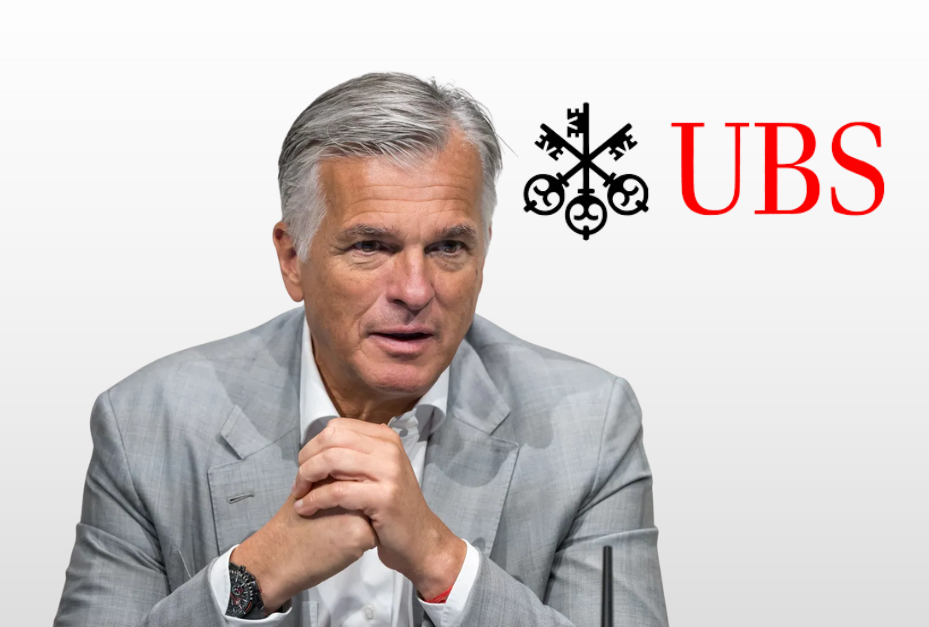
UBS’ succession signal is about control.
UBS is still absorbing Credit Suisse. Integration, risk discipline, and institutional memory aren’t talking points. They’re the operating backbone right now.
Ermotti has said he intends to stay until that work is substantially complete, expected late 2026 or early 2027.
Against that backdrop, CEO Sergio Ermotti also said he would prefer his successor come from inside the firm.
On the surface, that can sound like a culture-driven comment.
It isn’t.
Boards don’t lean inward during moments like this because it’s easier.
They do it because disruption carries a real cost while the system is still settling.
An internal successor usually telegraphs three things:
➤ Confidence in the bench already running the hardest parts
➤ A desire to protect institutional memory and cultural momentum during integration
➤ A belief the next chapter is about execution, not reinvention
For investors, the signal is subtle but important:
this board is optimizing for stability while unfinished work — and residual risk — still live inside the system.
Succession choices often reveal where the real risk is sitting.
If you were on the board, what would you optimize for right now: speed of change, or stability of execution?
🔗Source: UBS CEO Ermotti Underlines His Desire for Internal Successor